





Shopify SEO Tips for Boosting Your Online Store’s Visibility
When it comes to maximizing the visibility of your online store, Shopify SEO plays a crucial role. By implementing the right strategies, you can significantly improve your store’s search engine rankings and attract more organic traffic. In this article, we’ll explore some essential SEO tips specifically tailored for Shopify stores.
Table of Contents
Conduct Keyword Research
The foundation of any successful SEO strategy is thorough keyword research. Identify relevant keywords and phrases that your target audience is likely to use when searching for products or services similar to yours. Invest in tools like Google Keyword Planner or SEMrush to uncover high-volume, low-competition keywords that you can integrate into your product descriptions, page titles, and meta descriptions.
Optimize Product Descriptions
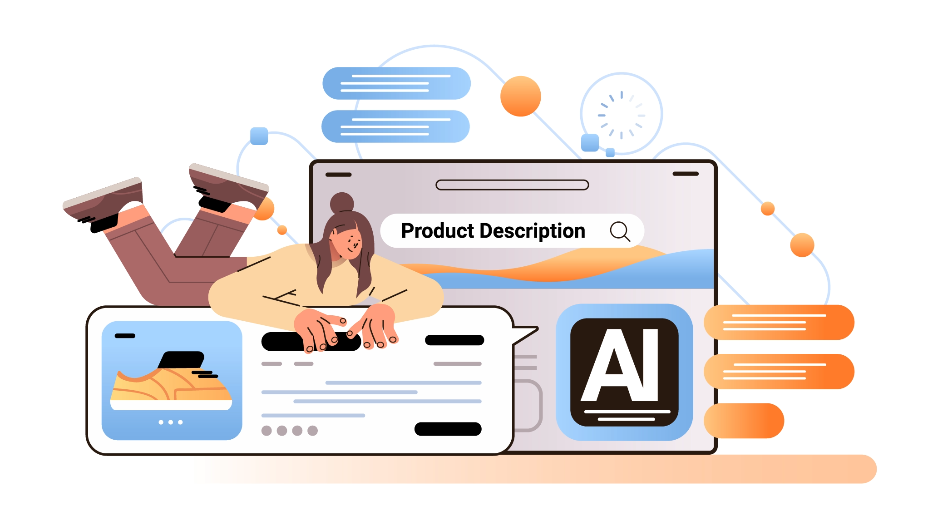
Craft compelling and unique product descriptions that incorporate your target keywords naturally. Avoid duplicate content and prioritize originality to stand out in search results. Focus on addressing the needs and pain points of your audience while including relevant keywords to improve your store’s visibility.
Unique Title Tags and Meta Descriptions
Each page on your Shopify store should have a distinct title tag and meta description. Customize these elements to accurately reflect the content of the page while incorporating relevant keywords. Well-crafted title tags and meta descriptions can entice users to click through to your store, ultimately boosting your organic click-through rate.
What You Need to Know
Optimizing your Shopify store for search engines involves various technologies and strategies. Here are some essential tips to get you started:
Conduct Keyword Research
The first step in optimizing your Shopify store for SEO is to perform thorough keyword research. Identify relevant keywords and phrases that potential customers are likely to search for. Tools like Google Keyword Planner and SEMrush can assist you in finding valuable keywords with high search volume and low competition.
Optimize Your Store’s Title Tags and Meta Descriptions
Title tags and meta descriptions are essential elements of SEO. They provide a concise summary of your web page’s content and help search engines understand what your store offers. Include your primary keyword in both the title tag and meta description. Aim for a compelling meta description within the 155-character limit to entice users to click.
Header Tags for Hierarchy
Header tags (H1, H2, H3, etc.) play a crucial role in structuring your content and improving your store’s visibility. Use your primary keyword in the main heading (H1) of your store’s homepage and sprinkle related keywords in subsequent headings. This helps search engines understand the hierarchy and relevance of your content.
Write Unique and Engaging Product Descriptions
When creating product descriptions for your Shopify store, avoid using generic or duplicate content. Craft unique and engaging descriptions that provide valuable information to potential customers. Incorporate relevant keywords naturally throughout the descriptions to improve search engine visibility.
Optimize URL Structures
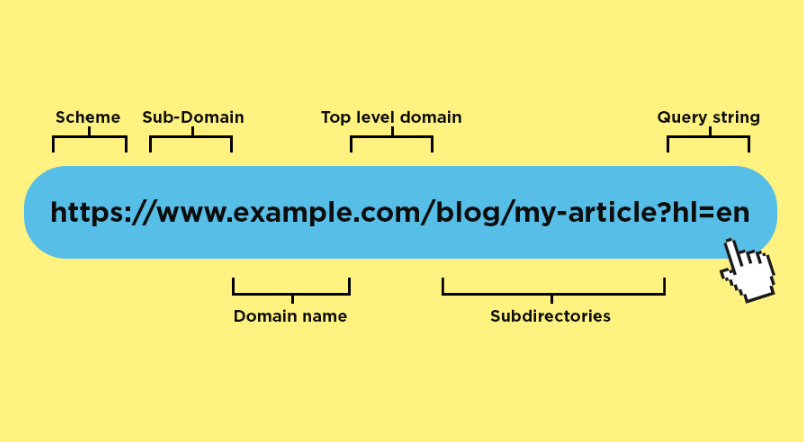
URL structures should be short. Include your primary keyword in the URL slug for each page to enhance SEO. Instead of using arbitrary numbers or symbols, use meaningful words that accurately represent the content.
Improve Page Load Speed
Page load speed is a crucial factor in both user experience and SEO. Slow-loading pages can deter visitors and negatively impact your search engine rankings. Optimize your Shopify store for speed by compressing images, minimizing CSS and JavaScript files, and utilizing caching techniques.
Implement Mobile-Friendly Design
With the majority of internet users browsing on mobile devices, having a mobile-friendly store is essential. Ensure your Shopify store has a responsive design that adapts seamlessly to different screen sizes. Google prioritizes mobile-friendly websites in its search results, increasing your visibility to potential customers.
Build High-Quality Backlinks
Building high-quality backlinks is an effective SEO strategy for enhancing your store’s visibility. Seek opportunities to collaborate with reputable websites in your industry to generate backlinks. Guest blogging, influencer partnerships, and content marketing can help you establish authority and trust in the eyes of both search engines and potential customers.
Leverage Image Alt Text
Optimizing your product images with descriptive alt text not only enhances accessibility but also provides an opportunity to include relevant keywords. When naming and describing your product images, keep your target keywords in mind to improve your store’s visibility in image search results.
Implement a Responsive and Fast-Loading Design
Google prioritizes mobile-friendly and fast-loading websites in its search results. Ensure your Shopify store is responsive across various devices and has optimized loading speeds. A seamless user experience contributes to higher search engine rankings and better conversion rates.
Create High-Quality Content
Incorporate a blog section into your Shopify store and regularly publish informative and engaging content related to the industry. By addressing common queries and providing valuable insights, you can attract more organic traffic and establish your store as an authoritative source within your niche.
Build Quality Backlinks
Earning backlinks from reputable and relevant websites can significantly impact your store’s SEO performance. Focus on building genuine relationships with influencers, industry publications, and bloggers to secure high-quality backlinks that demonstrate your store’s credibility to search engines.
Conclusion
By implementing these essential Shopify SEO tips, you can enhance your online store’s visibility and attract more organic traffic. Keep refining your SEO strategies based on performance data and industry trends to maintain a competitive edge in the ever-evolving digital landscape. Prioritize user experience, valuable content, and strategic optimization to achieve sustainable SEO success for your Shopify store.
FAQs
How Can I Optimize My Shopify Store for SEO?
Optimizing your Shopify store for SEO begins with conducting keyword research to identify the terms and phrases your target audience is searching for. By incorporating these keywords strategically into your product descriptions, meta titles, and URLs, you can signal to search engines what your store is about and improve your chances of ranking for relevant searches.
What Role Do Backlinks Play in Shopify SEO?
Backlinks, or external links from other websites to your Shopify store, are a crucial component of SEO. They act as signals of credibility and authority to search engines, indicating that your store is a valuable resource. Earning high-quality backlinks from reputable websites within your industry can significantly bolster your store’s SEO efforts.
How Important Is Mobile Optimization for Shopify SEO?
Mobile optimization is paramount for Shopify SEO considering the increasing prevalence of mobile device usage for online shopping. Ensuring that your Shopify store is responsive and provides a seamless user experience across various devices is not only beneficial for SEO but also for enhancing your conversion rates.
Is Shopify’s SSL Certification Beneficial for SEO?
Yes, Shopify’s SSL certification, which ensures secure connections between web servers and browsers, can positively impact your store’s SEO performance. Search engines prioritize secure websites, and having an SSL certificate can contribute to your store’s trustworthiness and overall SEO standing.
How Can I Leverage Shopify Apps to Enhance SEO?
Shopify offers a wide array of apps designed to assist store owners in optimizing their SEO efforts. From meta tag management to structured data implementation, these apps can streamline the process of fine-tuning your store for search engine visibility.
Please follow and like us: