




How Encino’s Warm Climate Changes Cat Vaccination Needs
Most cat vaccination guides give you the same generic advice. Core vaccines, annual boosters, and indoor cats still need protection. All of that is true, but none of it accounts for something important.
Table of Contents
- No Cold Winter Means No Break in Disease Activity
- Wildlife Activity Year Round
- The Community Cat Population Does Not Disappear Either
- Fleas and Parasites: A Year Round Problem in Encino
- What a Year-Round Risk Environment Means for Vaccine Scheduling
- Indoor Cats Are Not Off the Hook in Encino Either
- Frequently Asked Questions
- Does Encino’s warm climate really make that much difference to cat vaccination needs?
- My cat never goes outside; do Encino’s climate conditions still affect them?
- How often should my Encino cat be vaccinated given the year-round climate?
- Is FeLV vaccination more important in Encino than other areas?
- What is the most important thing Encino cat owners can do for their cat’s vaccination?
Where you live changes what your cat is actually exposed to. And Encino’s climate and environment create a specific set of conditions that influence cat vaccination needs in ways that a standard guide simply does not cover.
Southern California’s warm weather is one of the things that makes Encino a wonderful place to live. For cat owners, though, it comes with a set of implications worth understanding, because the risks that mild year-round temperatures create for cats are real and consistently underestimated.
If you want to make sure your cat’s vaccination plan actually reflects the environment they live in, a visit to a cat hospital in Encino is always the right starting point.
No Cold Winter Means No Break in Disease Activity
In colder parts of the country, winter provides a natural slowdown in certain disease risks. Lower temperatures reduce the activity of wildlife, limit the survival of environmental pathogens, and bring cats indoors more consistently.
Encino does not have that seasonal reset.
With temperatures rarely dropping to levels that meaningfully affect pathogen survival, disease exposure risk for cats in Encino runs consistently throughout every month of the year. There is no quiet season where you can afford to let vaccines lapse and make up for it later.
This is one of the most overlooked implications of living in Southern California for cat owners. The standard mindset of catching up on vaccines in spring after a quieter winter simply does not apply here. A gap in protection in December carries the same risk as a gap in July.
Wildlife Activity Year Round
Encino sits in a part of Los Angeles where urban neighborhoods meet natural corridors connected to the Santa Monica Mountains. That geography means wildlife does not disappear when temperatures drop, because temperatures barely drop.
Raccoons, opossums, rats, and coyotes move through Encino neighborhoods throughout the year. They frequent yards, drainage areas, green spaces, and anywhere food or water is accessible. For cats, particularly those with any outdoor access, this consistent wildlife presence creates year-round exposure to diseases that wildlife carries and sheds into the environment.
Leptospirosis is one concern. Rabies is another. Both are transmitted through wildlife contact, and both remain relevant for Encino cats throughout every season.
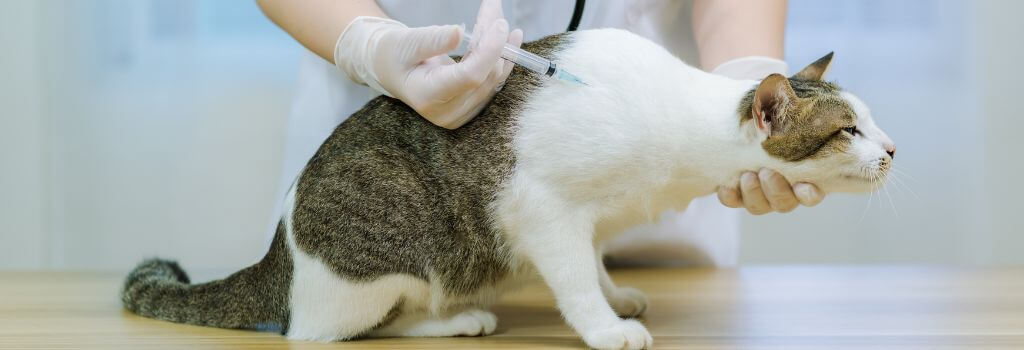
Keeping rabies vaccination current is non-negotiable in this environment. For cats with outdoor access, the conversation around additional vaccines becomes even more important when wildlife activity never truly slows down.
The Community Cat Population Does Not Disappear Either
Stray and feral cats thrive in warm climates. Encino has a significant community cat population, cats that live outdoors, breed year-round, and move through residential neighborhoods consistently.
This matters for owned cats in two distinct ways.
First, outdoor and semi-outdoor cats that encounter community cats face year-round exposure to diseases like Feline Leukemia Virus and upper respiratory infections. There is no cold season that reduces how often cats interact in shared outdoor spaces.
Second, even strictly indoor cats are not entirely shielded. Community cats visit yards, sit near windows and doors, and create indirect exposure pathways that do not require your cat to ever set foot outside.
The Feline Leukemia Virus vaccine becomes particularly relevant for cats with any outdoor exposure in Encino, not because of one specific season but because the risk environment that makes it relevant never takes a break.
Core vaccines covering Feline Herpesvirus and Calicivirus are also essential year-round given how easily these upper respiratory viruses spread between cats in shared outdoor environments.
Fleas and Parasites: A Year Round Problem in Encino
This connects to vaccination indirectly but matters enough to mention.
In colder climates, flea and parasite activity drops significantly in winter. In Encino, fleas are a year-round reality. And while fleas themselves are not a vaccine concern, they carry diseases and create immune system stress in cats that can affect how well vaccines perform.
A cat dealing with a significant flea burden or parasite load is not in the same immunological position as a healthy, parasite-free cat. This is one more reason why consistent year-round preventive care, including parasite prevention alongside vaccination, is more important in Encino’s climate than it would be elsewhere.

What a Year-Round Risk Environment Means for Vaccine Scheduling
The practical implication of all of this is straightforward. Cat vaccination schedules in Encino need to be treated as genuinely time-sensitive rather than approximate guidelines.
In climates with seasonal disease variation, a booster that is a few months overdue might carry lower risk during a quiet winter period. In Encino, a booster that is overdue is overdue regardless of the month, because the exposure environment does not change with the season.
This means:
- Annual boosters should be scheduled and kept on time rather than treated as flexible
- Cats with outdoor access should have their non-core vaccine needs reviewed at every annual visit
- Gaps in vaccination coverage should be addressed promptly regardless of time of year
- Senior cats whose immune systems are less robust deserve extra attention to vaccine timing in a consistently active disease environment
A local veterinarian who understands Encino’s specific environment is always better placed to make these recommendations than a generic online guide, because the advice genuinely needs to reflect where your cat actually lives.
Indoor Cats Are Not Off the Hook in Encino Either
It is worth saying directly because it comes up so often.
Indoor-only cats in Encino are not living in a zero-risk environment. The wildlife activity, community cat presence, and year-round pathogen survival in Southern California’s climate create indirect exposure pathways that a sealed front door does not fully eliminate.
Pathogens travel on shoes and clothing. Open windows and screen doors allow airborne transmission of respiratory viruses. Visitors bring in environmental contamination from outside. Wildlife that visits the yard leaves traces of bacteria and viruses in soil and on surfaces near the home.
Core vaccines are recommended for all cats in Encino regardless of indoor status, and in this specific climate, that recommendation carries more weight than it does in places where seasonal conditions provide some natural reduction in risk.
Frequently Asked Questions
Does Encino’s warm climate really make that much difference to cat vaccination needs?
Yes. Year-round mild temperatures mean pathogens survive longer in the environment, wildlife remains active throughout every season, and the community cat population breeds and circulates consistently. All of these factors keep disease exposure risk elevated without the natural seasonal reduction colder climates provide.
My cat never goes outside; do Encino’s climate conditions still affect them?
Core vaccines are still recommended for indoor cats regardless of climate. In Encino specifically, indirect exposure pathways through clothing, visitors, and open windows remain relevant year-round. The risk is lower for indoor cats but not zero.
How often should my Encino cat be vaccinated given the year-round climate?
Core vaccines follow standard schedules: FVRCP every one to three years in adult cats, rabies per California guidelines. The key difference in Encino is that timing should be kept strictly rather than treated as approximate. Visit a cat vaccination clinic nearby to confirm your cat’s current schedule.
Is FeLV vaccination more important in Encino than other areas?
For cats with any outdoor exposure in Encino, yes. The year-round community cat population and consistent outdoor activity in Southern California’s climate make FeLV exposure risk more persistent here than in areas with seasonal outdoor activity reduction.
What is the most important thing Encino cat owners can do for their cat’s vaccination?
Stay consistent and stay on schedule. In a year-round risk environment, there is no safe window to let vaccines lapse. Annual wellness visits with a local vet who understands Encino’s specific conditions are the most reliable way to keep your cat properly protected every month of the year.
Please follow and like us: