





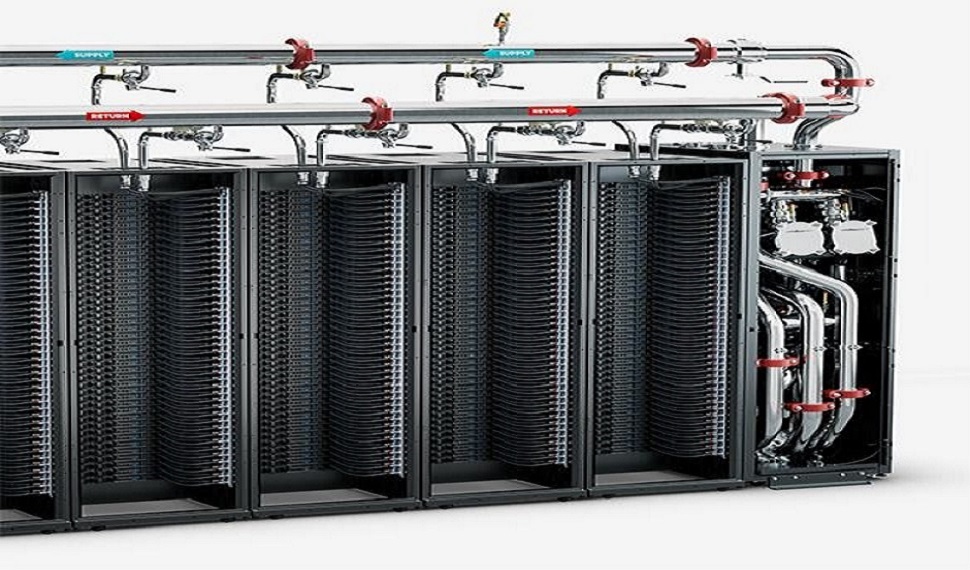
Why Cooling Distribution Systems Are Becoming the Backbone of AI Data Centers
Artificial intelligence workloads are reshaping the way modern data environments operate. As computing density increases, so does the demand for efficient heat removal. This shift has positioned cooling distribution systems as a critical foundation for maintaining performance, reliability, and scalability. Efficient systems not only manage thermal loads but also contribute to overall energy optimization and operational resilience. By supporting higher rack densities and enabling consistent performance under demanding conditions, these systems play a vital role in future-proofing data center infrastructure while aligning with sustainability and cost-efficiency goals.
Table of Contents
- The Rise of AI Workloads and Heat Challenges
- What Are Cooling Distribution Systems?
- Why Cooling Distribution Systems Are Essential for AI Data Centers?
- Integration with Advanced Thermal Management Systems
- Challenges in Cooling Distribution and How to Overcome Them
- Conclusion
- FAQs
- What are cooling distribution systems, and why are they important?
- How do data center cooling systems support AI workloads?
- What makes coolant circulation systems more efficient than traditional cooling methods?
- How do thermal management systems improve reliability?
- Are cooling distribution systems scalable for future growth?
- FAQs
The Rise of AI Workloads and Heat Challenges
AI-driven applications require high-performance processors that generate significantly more heat than traditional systems. From machine learning training models to real-time analytics, these workloads operate continuously and at high intensity. Traditional air-based cooling often struggles to keep up with sudden spikes in thermal output, leading to inefficiencies and potential performance throttling. This has accelerated the adoption of advanced cooling distribution systems, particularly liquid-based solutions, which can respond more precisely to localized heat zones and maintain stable operating conditions even under sustained, high-density processing demands.
Why Heat Management Matters?
AI servers pack more processing units into smaller spaces, creating concentrated heat zones. Unlike traditional workloads, AI systems often run without interruption, increasing thermal stress. Excess heat can lead to throttling, reduced efficiency, or even hardware failure. This growing complexity has made advanced data center cooling systems essential for sustainable operations.
What Are Cooling Distribution Systems?
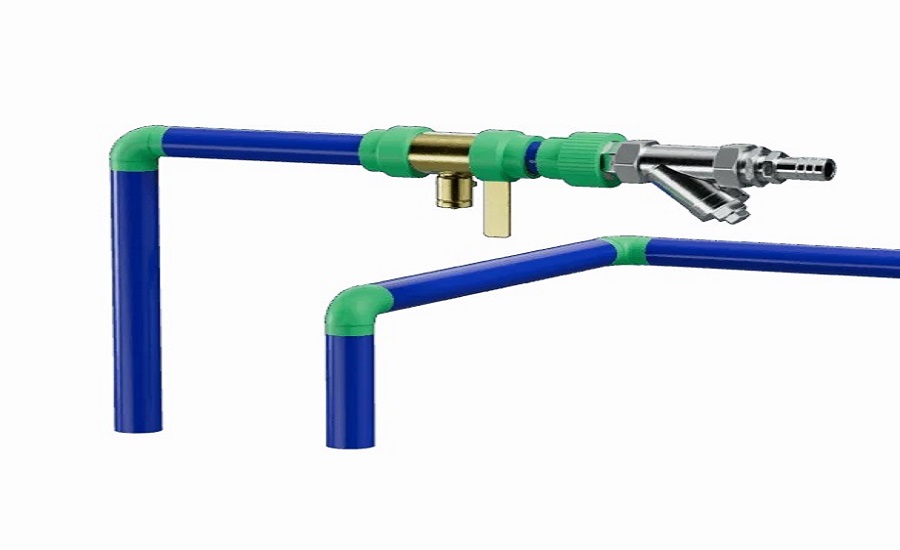
It refers to the infrastructure responsible for delivering and managing coolant flow across servers and racks.
Core Elements of Cooling Distribution
- Fluid Delivery Networks: Transport coolant to various parts of the data environment with precision.
- Control Mechanisms: Regulate pressure, temperature, and flow rates for balanced performance.
- Monitoring Tools: Provide real-time insights into system health and thermal conditions.
By integrating these elements, modern thermal management systems can respond dynamically to changing workloads. These systems ensure that heat generated by computing components is efficiently transferred away, maintaining optimal temperatures.
Why Cooling Distribution Systems Are Essential for AI Data Centers?
As AI adoption grows,they are becoming indispensable for maintaining operational stability. Traditional air-cooling methods are increasingly unable to meet the demands of AI-driven infrastructure. This has led to widespread adoption of liquid-based approaches supported by advanced coolant circulation systems.
Key Reasons for Their Importance
- Scalability: Cooling infrastructure must grow alongside computing demands without requiring complete redesigns.
- Reliability: Consistent thermal control prevents unexpected downtime and extends hardware lifespan.
- Efficiency: Optimized coolant delivery minimizes energy waste and operational costs.
- Flexibility: Modern systems can adapt to various cooling methods, including direct-to-chip and immersion cooling.
Advantages of Liquid Cooling
Liquid cooling has become a key technology in modern data center design, especially as computing demands continue to rise. By using liquids to transfer heat directly from critical components, this approach offers several clear advantages over traditional air-based cooling systems.
- Superior Heat Transfer: Liquids absorb and transfer heat more efficiently than air, reducing hotspots. It minimizes temperature fluctuations and prevents the formation of hotspots that can damage hardware.
- Space Optimization: Compact cooling solutions allow for higher server density within racks. By reducing the need for large air ducts, fans, and wide spacing between racks, they free up valuable floor space.
- Reduced Energy Consumption: Lower reliance on high-speed fans improves energy efficiency. One of the most significant benefits of liquid cooling is its ability to lower overall energy usage.
These benefits make liquid cooling a cornerstone of modern systems across Canada, where the demand for high-performance computing, cloud services, and AI infrastructure continues to grow rapidly.
Integration with Advanced Thermal Management Systems
The effectiveness of thermal management systems depends heavily on how well cooling distribution is implemented. Seamless integration ensures that every component receives the right level of cooling.
Integration Benefits
Modern cooling distribution systems are no longer passive infrastructure; they are intelligent, adaptive networks that work in sync with IT workloads. This level of integration delivers significant operational advantages. Integrated monitoring tools enable a shift from reactive to predictive maintenance. The successful implementation of coolant circulation systems depends on careful planning and design. Several key factors must be addressed to ensure long-term performance and scalability.
Important Factors
With these capabilities, cooling systems evolve from simple support functions into strategic assets. Instead of reacting to overheating, they anticipate and prevent issues, ensuring continuous, efficient operation across the entire infrastructure. Easy access to components simplifies servicing and reduces downtime. Implementing efficient systems requires thoughtful planning and execution.
Challenges in Cooling Distribution and How to Overcome Them
Despite their advantages, coolant circulation systems can present challenges if not properly managed. These advancements highlight the growing importance of thermal management systems in supporting innovation.
Common Issues
- Flow Imbalance: Uneven distribution can lead to inefficient cooling. Proper calibration and monitoring help maintain balance.
- Leakage Concerns: High-quality connectors and regular inspections reduce risks.
- Complexity in Deployment: Partnering with experienced providers ensures smooth integration and reliable performance.
Emerging Trends
- Intelligent Cooling Systems: AI-driven monitoring tools automatically optimize cooling performance.
- Sustainable Solutions: Energy-efficient designs reduce environmental impact while maintaining performance.
- Modular Infrastructure: Flexible systems allow for rapid expansion without major disruptions.
The evolution of AI technologies will continue to push the limits of computing power. As a result, it will plays an even more critical role in shaping the future of data environments.
Conclusion
As AI workloads become more demanding, the importance of reliable and efficient cooling distribution systems cannot be overstated. They form the backbone of modern data environments, enabling high performance, scalability, and operational stability. By adopting advanced data center cooling systems and integrating effective coolant circulation systems, organizations can stay ahead of evolving technological demands. To ensure long-term success, choose expert cooling system solutions designed for performance and reliability with trusted providers.
FAQs
What are cooling distribution systems, and why are they important?
It manage the flow of coolant throughout a data environment. They are important because they ensure consistent temperature control, prevent overheating, and support the performance of high-density computing systems.
How do data center cooling systems support AI workloads?
Data center cooling systems are designed to handle the high heat output generated by AI workloads. They provide efficient heat removal, maintain stable operating conditions, and allow processors to function at optimal levels without thermal limitations.
What makes coolant circulation systems more efficient than traditional cooling methods?
Coolant circulation systems use liquid to transfer heat directly from components, a more effective method than air-based ones. This results in better thermal performance, reduced energy consumption, and improved overall system efficiency.
How do thermal management systems improve reliability?
Thermal management systems monitor and control temperature levels across the infrastructure. By maintaining stable conditions, they reduce the risk of hardware failure, extend equipment lifespan, and ensure consistent performance.
Are cooling distribution systems scalable for future growth?
Yes, they are designed with scalability in mind. They can adapt to increasing workloads and integrate with new technologies, making them suitable for evolving data environments.
Please follow and like us: